Introduction
A great haircut does more than simply improve your appearance. It reflects your personality, complements your facial features, and gives you the confidence to make a lasting impression. When it comes to modern men's hairstyles, the Fade Haircut for Men continues to be one of the most popular and versatile choices. Whether you prefer a sharp, professional appearance or a stylish, contemporary look, a fade haircut offers plenty of options to suit your individual taste.
One of the biggest reasons behind the popularity of fade haircuts is their adaptability. They work well with different hair lengths, textures, face shapes, and personal styles. From a subtle taper fade suitable for office professionals to a bold skin fade that makes a strong fashion statement, there is a fade haircut for almost every man.
Another advantage of choosing a fade is that it can be combined with several hairstyles on top. You can pair it with a textured crop, pompadour, quiff, slick-back hairstyle, curly top, or even a classic side part. This flexibility allows you to experiment with your appearance without completely changing your preferred hairstyle.
However, choosing the right fade is important. The perfect haircut should complement your face shape, work with your natural hair texture, and fit your everyday lifestyle. In this guide, we will explore the different types of fade haircuts, how to choose the right one, styling recommendations, maintenance tips, and what to discuss with your barber before getting your next haircut.
1. What Is a Fade Haircut?
A fade haircut is a men's hairstyle in which the hair gradually transitions from longer lengths on top to shorter lengths along the sides and back of the head. Instead of having a clearly defined difference between hair lengths, a barber carefully blends the hair to create a smooth and seamless transition.
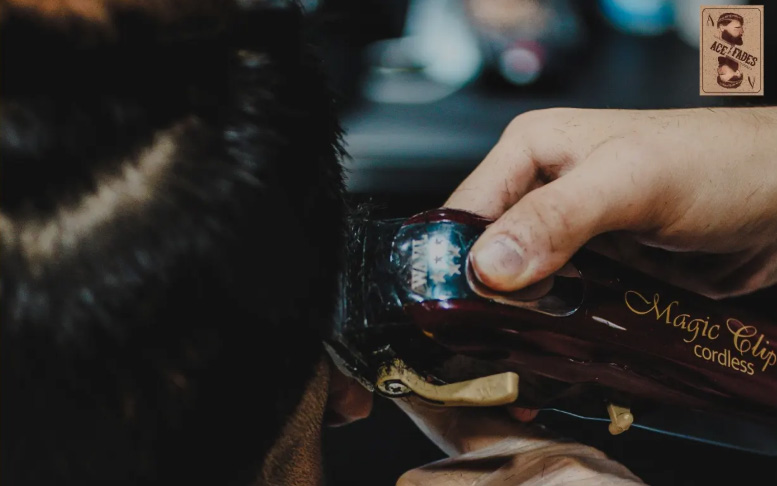
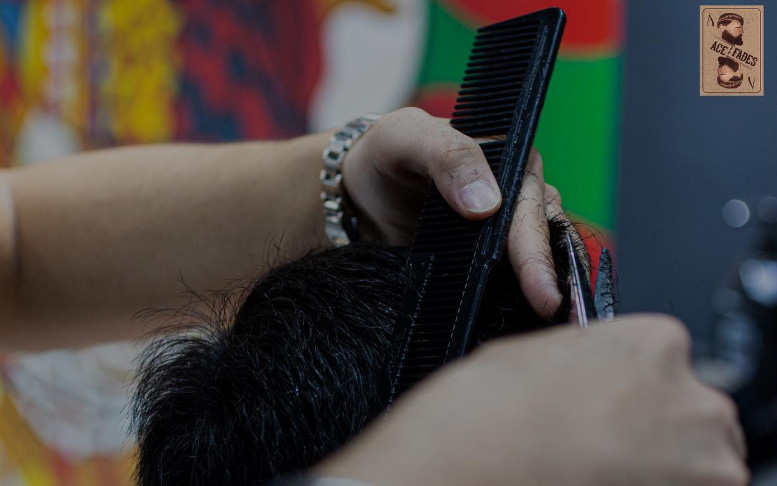
The fading process is usually achieved using professional hair clippers with different guard sizes, along with precision trimming techniques. Depending on the desired result, the fade can start low, around the ears and neckline, or higher up on the sides of the head.
The beauty of a fade haircut lies in its clean and balanced appearance. It gives the hairstyle a neat finish while allowing you to maintain your preferred length and styling on top.
Fade haircuts are also suitable for different occasions. A subtle fade can complement formal office wear, while a high or skin fade can create a more fashionable and edgy appearance.
Whether you have straight, wavy, curly, or thick hair, a skilled barber can customise the fade to suit your hair type and desired look.
2. Why Are Fade Haircuts So Popular Among Men?
Fade haircuts have remained a favourite among men because they combine style, convenience, and versatility. Unlike certain hairstyles that suit only specific hair types or face shapes, fades offer numerous variations that can be customised to individual preferences.
Here are some reasons why men continue to choose fade haircuts.
A Clean and Modern Appearance
One of the biggest advantages of a fade haircut is its clean finish. The gradual blending of hair creates a polished appearance, making it an excellent choice for men who prefer a well-groomed look.
Suitable for Different Hairstyles
A fade can be paired with almost any hairstyle on top. Whether you prefer short textured hair, longer swept-back hair, curls, or a classic comb-over, a fade can enhance the overall appearance.
Works with Different Hair Textures
Men with straight, curly, wavy, or thick hair can all enjoy fade haircuts. The barber can adjust the blending technique according to the natural texture and volume of your hair.
Easy to Style
Most fade haircuts require minimal styling, especially when paired with shorter hairstyles. A little styling cream, wax, or pomade can help maintain the desired appearance.
Suitable for Multiple Occasions
A fade haircut can look equally stylish at work, social gatherings, weddings, parties, and casual outings. Choosing the appropriate fade level and hairstyle on top helps you achieve the right appearance for different occasions.
3. Popular Types of Fade Haircuts for Men
Not all fade haircuts look the same. Each variation creates a different appearance depending on where the fading begins and how short the hair becomes towards the bottom.
Understanding the different types of fades will help you communicate your preferences clearly to your barber.
3.1 Skin Fade
A skin fade, sometimes called a bald fade, is one of the sharpest and most defined fade styles. In this haircut, the hair gradually blends from longer lengths into completely shaved skin near the sides and neckline.
The result is a strong contrast between the hair on top and the sides, creating a clean and contemporary appearance.
A skin fade works particularly well with textured crops, pompadours, quiffs, and short curly hairstyles. It is an excellent option for men who enjoy bold hairstyles and prefer a sharply defined finish.
However, skin fades require regular maintenance because hair growth becomes noticeable around the shaved areas relatively quickly.
Best for: Men who prefer a bold, sharp, and modern appearance.
3.2 Zero Fade
A zero fade involves trimming the hair extremely short near the sides and back, creating a very close finish without necessarily shaving completely down to the skin.
It provides a neat and defined appearance while maintaining a slightly softer finish than some skin fades.
This style is particularly suitable for men who want a clean haircut with a noticeable contrast between the sides and the top. It can be combined with short hairstyles, textured tops, and modern quiffs.
The zero fade is also a practical option for men who prefer a neat appearance without having to spend too much time styling their hair.
Best for: Men who like short, clean, and well-defined hairstyles.
3.3 Taper Fade
A taper fade is a more subtle and classic variation of the fade haircut. Instead of fading the entire sides and back, the hair gradually becomes shorter around specific areas, particularly the sideburns and neckline.
This creates a natural and understated transition while maintaining more hair around the sides.
The taper fade is particularly popular among professionals who want a stylish haircut without choosing an overly dramatic look.
It pairs beautifully with side-parted hairstyles, textured tops, short curls, and traditional men's haircuts.
If you are trying a fade haircut for the first time, a taper fade can be a comfortable starting point.
Best for: Men who prefer a classic, professional, and sophisticated appearance.
3.4 Mid Fade
A mid fade starts around the middle portion of the sides of the head, creating a balanced transition between the hair on top and the shorter hair below.
It offers a combination of the subtle appearance of a low fade and the sharper finish of a high fade.
Because of its balanced placement, the mid fade is one of the most versatile choices for men. It works with different hair textures and can be styled in several ways.
You can combine a mid fade with a textured crop, curly top, slick-back hairstyle, or even a modern pompadour.
Best for: Men looking for a balanced haircut that is neither too subtle nor too bold.
3.5 Low Fade
A low fade begins closer to the ears and neckline. The hair gradually becomes shorter towards the bottom while maintaining more length around the upper sides.
This creates a soft and natural transition that does not dramatically change the overall appearance of your hairstyle.
Low fades are ideal for men who want to experiment with modern hairstyles while maintaining a relatively conservative look.
They are particularly suitable for professional environments and can be paired with side parts, comb-overs, textured hairstyles, and longer hair on top.
Best for: Men who prefer a subtle, stylish, and professional haircut.
3.6 High Fade
A high fade begins much higher on the sides of the head, usually around the temples or upper sides. The hair transitions quickly from longer lengths on top to very short hair below.
This creates a striking contrast and gives the haircut a more contemporary appearance.
High fades are popular among men who prefer bold hairstyles and want the hair on top to stand out.
They work particularly well with short textured hairstyles, curly tops, crew cuts, and modern quiffs.
Best for: Men who enjoy fashionable hairstyles with a noticeable contrast.
4. How to Choose the Right Fade Haircut for Your Face Shape
Choosing a fade haircut based only on popularity may not always give you the desired result. Your face shape plays an important role in determining which hairstyle will complement your overall appearance.
Here are some general recommendations.
Oval Face Shape
Men with oval faces have the flexibility to experiment with different fade styles. Since this face shape is naturally balanced, low fades, mid fades, high fades, and taper fades can all work well.
You can also experiment with different hairstyles on top, including textured crops, pompadours, and slick-back styles.
Round Face Shape
If you have a round face, a high fade or mid fade combined with additional volume on top can help create a more elongated appearance.
Avoid excessive volume around the sides, as it may make the face appear wider.
A textured quiff or pompadour paired with a suitable fade can be a good option.
Square Face Shape
Square faces are characterised by a strong jawline and more defined facial angles.
A mid fade or low fade can complement these features while maintaining a balanced appearance.
You can pair it with a textured crop, short side part, or crew cut for a masculine and well-groomed finish.
Long Face Shape
If you have a longer face, maintaining some volume around the sides can help create a more balanced appearance.
A low fade or taper fade may be a suitable choice. Avoid adding too much height on top if you want to maintain balanced facial proportions.
Important tip: These are general styling suggestions rather than strict rules. Your hair texture, hairline, personal preferences, and overall hairstyle should also influence your decision. An experienced barber can help you select a fade that complements your features.
5. Choosing a Fade Based on Your Hair Type
Your natural hair texture is another important factor when selecting the right fade haircut.
Fade Haircuts for Straight Hair
Straight hair offers plenty of styling possibilities. A mid fade or low fade can be paired with a side part, slick-back hairstyle, comb-over, or textured crop.
If you prefer a sharper appearance, a skin fade can create a strong contrast with longer hair on top.
Fade Haircuts for Curly Hair
Curly hair combined with a fade creates an attractive contrast between natural volume on top and neatly trimmed sides.
A low fade or mid fade can help maintain the curls while giving the haircut a clean finish.
You can use a suitable curl-enhancing cream to define your curls and control frizz.
Fade Haircuts for Wavy Hair
Wavy hair works particularly well with mid fades and taper fades.
The natural movement of wavy hair adds texture and dimension to the hairstyle, while the faded sides create a neat and structured appearance.
A lightweight styling cream can help maintain the natural waves without making your hair look heavy.
Fade Haircuts for Thick Hair
Men with thick hair often benefit from fade haircuts because the shorter sides reduce excess bulk and make the overall hairstyle easier to manage.
A high fade or mid fade can work well with textured tops, short quiffs, and modern hairstyles.
Fade Haircuts for Thin Hair
For men with thinner hair, choosing the right fade can help create a more structured appearance.
A low fade or taper fade combined with a short textured hairstyle may be worth considering.
Avoid overly dramatic styling that exposes areas where hair density is limited. Your barber can recommend a suitable cut based on your hair growth pattern.
6. Popular Hairstyles You Can Combine with a Fade
One of the biggest advantages of a fade haircut is that it can be combined with numerous hairstyles.
Here are some popular combinations to consider.
Fade with Textured Crop: This combination features short, textured hair on top with faded sides. It is easy to maintain and works well for men who prefer a modern, casual appearance.
Fade with Pompadour: A pompadour features longer hair styled upwards and backwards. Pairing it with a mid or high fade creates a stylish contrast.
Fade with Quiff: The quiff adds volume and texture to the front of the hair. A fade on the sides helps highlight the hairstyle and creates a contemporary finish.
Fade with Side Part: If you prefer a more traditional appearance, a side part combined with a taper or low fade is an excellent option. It works well for office professionals and formal occasions.
Fade with Curly Top: Men with naturally curly hair can maintain their curls on top while keeping the sides neatly faded. This combination is stylish and relatively easy to manage.
Fade with Slick Back: A slick-back hairstyle involves combing longer hair backwards. When combined with a fade, it creates a sophisticated appearance suitable for both formal and casual settings.
Fade with Crew Cut: A crew cut with a fade is an excellent choice for men who prefer short hairstyles. It offers a clean, practical, and sporty appearance.
7. How to Choose the Right Fade for Your Lifestyle
Your haircut should not only look good when you leave the barbershop but should also fit comfortably into your everyday routine.
Before selecting a fade, consider how much time you are willing to spend styling and maintaining your hair.
For Working Professionals
If you work in a corporate environment or regularly attend business meetings, a low fade or taper fade can provide a neat and professional appearance.
These styles offer a modern finish without looking overly bold.
For Students and Young Adults
Students and young adults often enjoy experimenting with different hairstyles. A mid fade, high fade, or skin fade can create a fashionable appearance.
You can also try combinations with textured crops, curly tops, or quiffs.
For Men with Busy Schedules
If you prefer a low-maintenance haircut, consider a short fade combined with a crew cut or textured crop.
These hairstyles require relatively little daily styling. However, fades still need periodic trimming to maintain their shape.
For Men Who Enjoy Styling Their Hair
If you enjoy experimenting with styling products and different looks, consider a fade with a pompadour, quiff, or slick-back hairstyle.
These combinations offer greater flexibility and allow you to change your appearance depending on the occasion.
8. What Should You Tell Your Barber Before Getting a Fade?
Communication between you and your barber is essential for achieving the haircut you want.
Even if you know the name of the fade style, explaining your expectations clearly will help avoid misunderstandings.
Here are a few things to discuss before your haircut begins.
1. Decide How Short You Want the Sides
Explain whether you prefer a skin fade, zero fade, or a slightly longer finish. If you are unsure, ask your barber to recommend a suitable clipper guard length.
2. Specify Where You Want the Fade to Start
Let your barber know whether you prefer a low, mid, or high fade. The starting point makes a significant difference to the final appearance.
3. Explain How Much Length You Want on Top
Some men prefer short hair that requires minimal styling, while others want to maintain longer hair for a quiff, pompadour, or slick-back hairstyle.
Communicate your preferred length before the barber starts cutting.
4. Discuss Your Hair Texture and Growth Pattern
Mention whether your hair is straight, wavy, curly, thick, or thin. If you have a particular hair growth pattern or a cowlick, inform your barber so the haircut can be adjusted accordingly.
5. Share a Reference Photograph
A photograph of your preferred haircut can make communication much easier. It gives your barber a clear idea of the fade level, blending style, and overall finish you want.
6. Explain Your Daily Styling Routine
If you rarely use styling products, let your barber know. Your haircut should suit your daily routine rather than require more effort than you are comfortable with.
An experienced barber can use this information to recommend a style that looks good and is practical to maintain.
9. How to Maintain a Fresh Fade Haircut
Getting the perfect fade is only the beginning. Maintaining it properly will help you enjoy a clean and well-groomed appearance for longer.
Here are some simple maintenance tips.
Schedule Regular Barber Visits
As your hair grows, the difference between the faded sections becomes less noticeable. Regular trimming helps maintain the original shape and blended finish.
Depending on your preferred fade and how quickly your hair grows, you may need a touch-up every two to four weeks. Skin fades generally require more frequent maintenance than subtle taper fades.
Use Suitable Hair Styling Products
The right styling product can help maintain the appearance of the hair on top.
For example:
Hair wax can provide texture and flexible hold.
Pomade can help create a sleek and polished appearance.
Styling cream works well for natural-looking hairstyles.
Curl-enhancing cream can help define naturally curly hair.
Choose a product that suits your hair type and avoid applying excessive amounts.
Maintain a Healthy Hair Care Routine
Wash your hair regularly using a suitable shampoo and conditioner. This helps remove excess oil, dirt, and product buildup.
Avoid washing your hair excessively with harsh products, as this may leave it feeling dry.
Avoid Cutting the Fade Yourself
Although it may be tempting to trim your sides at home, recreating a professional fade requires experience and precision.
Uneven trimming can disturb the blending and affect the overall shape of your haircut.
It is better to visit your barber for touch-ups.
Keep Your Hairline Neat
The neckline and sideburns contribute significantly to the overall appearance of a fade haircut.
Regular professional touch-ups can help maintain clean edges and a well-groomed finish.
10. Common Mistakes to Avoid When Getting a Fade Haircut
Even a popular hairstyle may not deliver the expected results if certain details are overlooked.
Here are some common mistakes to avoid.
Choosing a Fade Without Considering Your Face Shape: A haircut that looks great on someone else may not necessarily suit your facial features. Consider your face shape and hair texture before making a decision.
Asking for a Fade Without Specifying the Height: Simply asking for a fade can lead to different interpretations. Be clear about whether you want a low, mid, or high fade.
Keeping the Top Too Short or Too Long: The length on top should complement the fade and match the hairstyle you want to achieve.
Ignoring Hair Maintenance: Fades lose their sharp appearance as the hair grows. Regular barber visits are important if you want to maintain a clean finish.
Using Too Much Styling Product: Excessive wax, gel, or pomade can make your hair look greasy and heavy. Use only the amount needed to achieve your preferred style.
Following Trends Without Considering Personal Preference: Fashion trends change, but your haircut should reflect your personality and lifestyle. Choose a style that makes you feel comfortable and confident.
11. Why Choose Ace Of Fades for Your Next Haircut?
Finding the right barber is just as important as selecting the right hairstyle. A great fade requires precision, attention to detail, and an understanding of different hair textures and styling preferences.
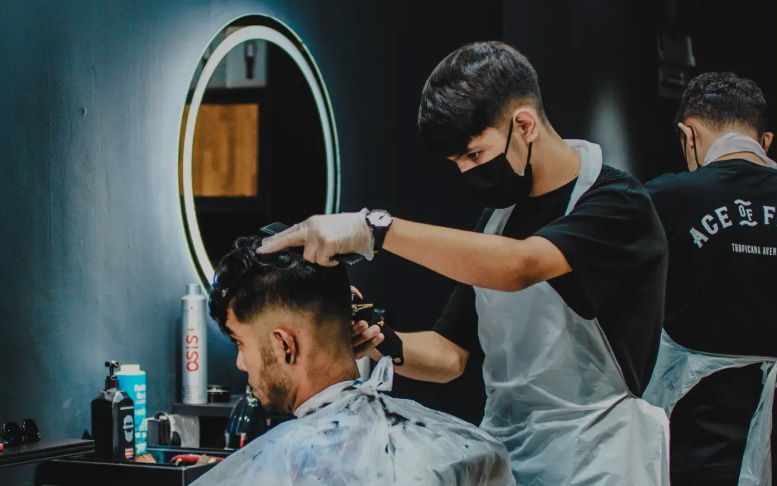
At Ace Of Fades, we focus on helping men achieve clean, stylish, and well-defined haircuts that suit their individual preferences.
Whether you are looking for a sharp skin fade, a neat zero fade, or a classic taper fade, our experienced barbers pay attention to the details that make a difference.
We understand that every customer has different expectations. Some prefer bold and contemporary hairstyles, while others want something subtle and professional. Our aim is to help you find a haircut that complements your appearance and suits your everyday lifestyle.
At Ace Of Fades, you can explore different fade styles and discuss your preferred look with our barbers before deciding on your haircut.
You can visit our branches at:
Ace Of Fades – Tropicana Avenue
Ace Of Fades – Tropicana Metropark
Whether you are getting a haircut for an important meeting, a special occasion, or simply because it is time for a fresh look, we are here to help you look your best.
12. Frequently Asked Questions About Fade Haircuts for Men
1. Which Fade Haircut Is Best for Men?
There is no single fade haircut that is best for everyone. A low fade is suitable for men who prefer a subtle appearance, while a mid fade offers a balanced look. A high fade or skin fade is ideal for those who prefer a sharper and more contemporary hairstyle.
The right choice depends on your face shape, hair texture, personal style, and maintenance preferences.
2. How Long Does a Fade Haircut Last?
A fade haircut generally maintains its sharp appearance for around two to four weeks, depending on how quickly your hair grows and how short the fade is.
Skin fades may require more frequent touch-ups because even a small amount of hair growth can affect their clean appearance.
3. Is a Fade Haircut Suitable for All Hair Types?
Yes. Fade haircuts can be customised for straight, curly, wavy, thick, and thin hair. The barber can adjust the fading technique and the length on top according to your natural hair texture.
4. What Is the Difference Between a Taper Fade and a Regular Fade?
A taper fade generally focuses on gradually shortening the hair around the sideburns and neckline while retaining more length around the sides.
A regular fade usually involves a more extensive transition across the sides and back of the head.
Both styles offer different finishes and can be customised according to individual preferences.
5. Is a Skin Fade Better Than a Low Fade?
Neither is necessarily better. A skin fade creates a bold, high-contrast appearance, while a low fade offers a softer and more understated finish.
Your choice should depend on the look you want and how frequently you are comfortable visiting your barber for maintenance.
6. Can I Get a Fade Haircut with Long Hair on Top?
Absolutely! Fade haircuts work particularly well with longer hair on top. You can combine a fade with a pompadour, quiff, slick-back hairstyle, or textured top.
This combination creates an attractive contrast between the shorter sides and longer upper section.
7. How Often Should I Get a Fade Haircut?
For a consistently sharp appearance, consider visiting your barber every two to four weeks. If you prefer a softer, more natural look, you may be able to wait longer between appointments.